Hey there! I’m a supplier of Polyurethane Foaming Glue, and I know how important it is for this product to have great weather resistance. Whether it’s used in construction, DIY projects, or industrial applications, the ability to withstand different weather conditions can make or break the performance of our glue. So, let’s dive into how we can improve the weather resistance of Polyurethane Foaming Glue. Polyurethane Foaming Glue
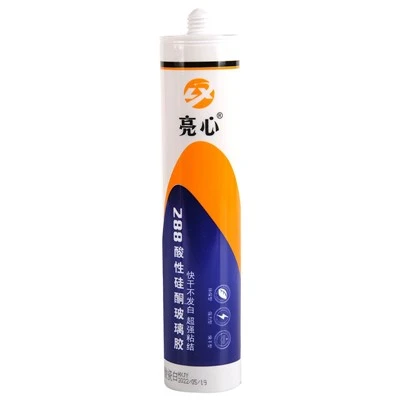
Understanding the Basics of Weather Damage to Polyurethane Foaming Glue
First off, we need to know what kind of weather factors can mess with our glue. Sunlight, especially the UV rays, can cause the glue to break down over time. This is called photodegradation. The UV rays can break the chemical bonds in the polyurethane, making it brittle and less sticky.
Rain and moisture are also big problems. When the glue gets wet, it can absorb water, which may lead to swelling, loss of adhesion, and even the growth of mold and mildew. Extreme temperatures, both hot and cold, can also affect the physical properties of the glue. In cold weather, it may become stiff and lose its flexibility, while in hot weather, it can soften and lose its shape.
Choosing the Right Raw Materials
One of the key ways to improve weather resistance is to start with high – quality raw materials. When we’re making the Polyurethane Foaming Glue, we need to select the right polyols and isocyanates. Some polyols are more resistant to hydrolysis (the reaction with water) than others. We usually look for polyols with a high degree of saturation and low water absorption.
For isocyanates, we can choose those that have better UV stability. There are some special types of isocyanates that can form a more stable chemical structure when reacting with polyols, which helps to resist the damage from UV rays.
We can also add some additives to enhance the weather resistance. UV stabilizers are a must – have. These additives can absorb or reflect the UV rays, preventing them from reaching the polyurethane molecules. They act like a little shield for our glue. There are different types of UV stabilizers, such as benzotriazoles and hindered amine light stabilizers (HALS).
Antioxidants are another important additive. They can prevent the oxidation of the polyurethane, which is often accelerated by sunlight and heat. By using antioxidants, we can extend the lifespan of our glue in harsh weather conditions.
Controlling the Manufacturing Process
The manufacturing process also plays a crucial role in determining the weather resistance of the glue. We need to control the mixing ratio of polyols and isocyanates precisely. If the ratio is off, the chemical reaction may not be complete, resulting in a weaker and less weather – resistant product.
The temperature and humidity during the manufacturing process are also important. For example, if the temperature is too high or too low, it can affect the curing process of the glue. A proper curing process is essential for the glue to develop its full strength and weather – resistant properties. We usually set strict environmental conditions in our production facility to ensure consistent quality.
Pressure and agitation during mixing are also factors. We need to make sure that the raw materials are thoroughly mixed. Incomplete mixing can lead to uneven distribution of additives and inconsistent chemical properties in the final product. That’s why we use advanced mixing equipment to ensure a homogeneous mixture.
Surface Preparation
Before applying the Polyurethane Foaming Glue, proper surface preparation is key to improving its weather resistance. The surface should be clean, dry, and free of dust, grease, and other contaminants. If there are any impurities on the surface, they can prevent the glue from adhering properly, and moisture can seep in through the gaps, causing damage.
We can use solvents or cleaning agents to clean the surface. For some rough or porous surfaces, we may need to sand them to create a better bonding surface. This will increase the contact area between the glue and the surface, improving adhesion.
We can also apply a primer to the surface. A good primer can enhance the adhesion of the glue and provide an additional layer of protection against moisture and UV rays. It acts as an intermediary between the glue and the surface, improving the overall weather resistance of the bonded joint.
Application and Curing
During the application of the Polyurethane Foaming Glue, we need to pay attention to the thickness of the glue layer. If the layer is too thick, it may not cure properly in the middle, which can reduce its weather resistance. On the other hand, if the layer is too thin, it may not provide enough strength and protection.
The environmental conditions during application and curing are also crucial. We should avoid applying the glue in rainy or extremely humid conditions. The ideal temperature for application and curing is usually between 20 – 30 degrees Celsius. At this temperature range, the glue can cure properly and develop its best properties.
If the curing process is affected by bad weather conditions, such as cold or hot weather, we may need to take some measures to adjust the curing conditions. For example, in cold weather, we can use heating equipment to warm up the application area.
Testing and Quality Control
We can’t just assume that our glue has good weather resistance. We need to test it regularly. There are different types of weathering tests, such as laboratory – based accelerated weathering tests and outdoor exposure tests.
Accelerated weathering tests can simulate years of outdoor weather conditions in a short period. We use special testing chambers that can expose the glue samples to UV rays, moisture, and temperature changes. By analyzing the changes in the physical and chemical properties of the samples, we can evaluate the weather resistance of our glue.
Outdoor exposure tests are also very important. We place the glue samples in different outdoor environments, such as coastal areas, deserts, and cold regions. After a certain period, we check the samples to see how they have withstood the real – world weather conditions.
Based on the test results, we can make adjustments to our raw materials, manufacturing process, or application methods to improve the weather resistance of our glue continuously.
Conclusion

Improving the weather resistance of Polyurethane Foaming Glue is a comprehensive process that involves choosing the right raw materials, controlling the manufacturing process, proper surface preparation, correct application and curing, and thorough testing. As a supplier, we’re committed to providing high – quality glue that can stand up to the toughest weather conditions.
Nail-free Glue If you’re in the market for Polyurethane Foaming Glue with excellent weather resistance, don’t hesitate to reach out to us. We’re always happy to discuss your specific needs and offer the best solutions for your projects. Whether it’s large – scale construction or small DIY jobs, our glue can get the job done. Contact us for a purchase negotiation and let’s work together to achieve great results!
References
- Wicks, Z. W., Jones, F. N., & Pappas, S. P. (1999). Organic Coatings: Science and Technology. Wiley – Interscience.
- ASTM International Standards on Polyurethane Materials, including accelerated weathering tests.
- Technical literature from major suppliers of raw materials for polyurethane foaming glue.
Shandong Liangxin Adhesives Co., Ltd.
We are one of the most professional polyurethane foaming glue manufacturers in China, featured by quality products and good service. Please rest assured to wholesale high-grade polyurethane foaming glue in stock here and get pricelist from our factory. We also accept customized orders.
Address: Industrial Park, Jiudu Sub-district, Hedong District, Linyi City, Shandong Province, China
E-mail: 15253909280@139.com
WebSite: https://www.liangxinglue.com/
