When it comes to using metal nuts, safety precautions are of paramount importance. As a metal nut supplier, I’ve seen firsthand the consequences of overlooking these crucial safety measures. In this blog, I’ll delve into the various safety precautions that should be taken when using metal nuts, ensuring that both professionals and DIY enthusiasts can use them safely and effectively. Metal Nut
Understanding the Basics of Metal Nuts
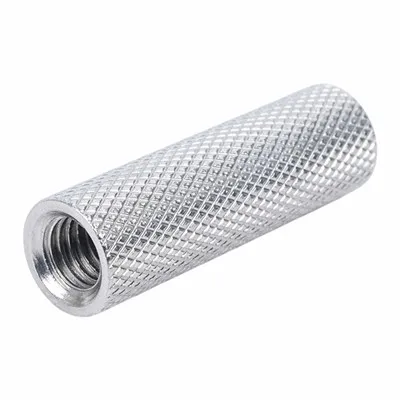
Before we discuss safety precautions, it’s essential to understand the basics of metal nuts. Metal nuts are fasteners that are used in conjunction with bolts or screws to secure two or more objects together. They come in various shapes, sizes, and materials, each designed for specific applications. Common materials for metal nuts include steel, stainless steel, brass, and aluminum.
The choice of material depends on several factors, such as the environment in which the nut will be used, the load it will bear, and the corrosion resistance required. For example, stainless steel nuts are often used in outdoor or marine applications due to their excellent corrosion resistance, while brass nuts are preferred for electrical applications because of their good conductivity.
Safety Precautions During Selection
Material Compatibility
One of the first safety precautions is to ensure that the metal nut is compatible with the bolt or screw it will be used with. Using nuts and bolts made of different metals can lead to galvanic corrosion, a process where one metal corrodes preferentially when in contact with another metal in the presence of an electrolyte, such as moisture. This can weaken the fastener joint and compromise its integrity.
For instance, if you’re using a steel bolt, it’s best to use a steel nut. If a dissimilar metal must be used, a protective coating or a non – conductive washer can be used to prevent direct contact between the two metals and reduce the risk of galvanic corrosion.
Size and Thread Compatibility
Selecting the correct size and thread type of the nut is crucial. A nut that is too small may not provide enough clamping force, while a nut that is too large may not fit properly and can lead to a loose connection. The thread pitch of the nut must match the thread pitch of the bolt or screw to ensure a secure fit.
It’s also important to check the thread condition of both the nut and the bolt. Damaged or worn threads can prevent the nut from tightening properly and may cause the joint to fail under load.
Safety Precautions During Installation
Proper Torque
Applying the correct torque when tightening a metal nut is essential for safety. Over – tightening a nut can cause the bolt to stretch or break, while under – tightening can result in a loose joint that may come apart during use.
To determine the proper torque, you can refer to the manufacturer’s specifications or use a torque – tightening chart. A torque wrench should be used to ensure accurate torque application. This tool allows you to apply a specific amount of force to the nut, ensuring that it is tightened to the correct level.
Use of Locking Devices
In applications where vibration is a concern, using locking devices can prevent the nut from loosening over time. There are several types of locking devices available, such as lock washers, nylon – inserted nuts, and prevailing – torque nuts.
Lock washers work by creating tension between the nut and the surface it is tightened against, preventing the nut from rotating. Nylon – inserted nuts have a nylon insert that provides a locking action by gripping the threads of the bolt. Prevailing – torque nuts have a deformed section that resists loosening due to vibration.
Personal Protective Equipment (PPE)
When installing metal nuts, it’s important to wear appropriate personal protective equipment. Safety glasses should be worn to protect your eyes from flying debris, such as metal shavings or small particles that may be dislodged during the installation process. Gloves can also be worn to protect your hands from sharp edges and to provide a better grip on tools.
Safety Precautions During Use
Regular Inspection
Once metal nuts are installed, regular inspection is necessary to ensure their continued safety. Inspect the nuts for signs of corrosion, wear, or damage. Corroded nuts may need to be replaced to maintain the integrity of the joint.
Check for any signs of loosening, such as movement of the connected parts or visible gaps between the nut and the surface. If a nut is found to be loose, it should be tightened immediately using the proper torque.
Environmental Considerations
The environment in which the metal nuts are used can have a significant impact on their safety. In high – humidity environments, corrosion can occur more rapidly. In such cases, using corrosion – resistant nuts or applying a protective coating can help extend their lifespan.
In extreme temperature environments, the expansion and contraction of the metal can affect the tightness of the nut. Special considerations may need to be taken, such as using nuts with a higher temperature tolerance or adjusting the torque during installation to account for temperature changes.
Safety Precautions During Removal
When it’s time to remove a metal nut, safety precautions should also be taken. First, ensure that the equipment or structure is properly supported to prevent any movement or collapse when the nut is removed.
Use the correct tools for removal. A wrench or socket that fits the nut properly should be used to avoid damaging the nut or the bolt. If the nut is stuck, applying a penetrating oil can help loosen it. However, be careful not to over – apply the oil, as it can make the surface slippery and increase the risk of injury.
Conclusion
As a metal nut supplier, I understand the importance of safety when using our products. By following the above safety precautions during selection, installation, use, and removal, you can ensure the safe and effective use of metal nuts in your applications.
Metal Nut If you’re in need of high – quality metal nuts for your projects, I encourage you to reach out for a procurement discussion. We offer a wide range of metal nuts in different materials, sizes, and specifications to meet your specific needs. Our team of experts is ready to assist you in selecting the right nuts and providing you with all the necessary information to ensure their safe use.
References
- Machinery’s Handbook, 31st Edition
- ASME B18.2.2 – 2017, American National Standard for Square and Hex Bolts and Screws (Inch Series)
- ASTM Standards for Fasteners
Kunshan Haizhijie Precision Hardware Co., Ltd.
As one of the most professional metal nut manufacturers and suppliers in China, we’re featured by quality products and good price. Please rest assured to buy customized metal nut made in China here from our factory. Also, pricelist is available.
Address: No. 367, Kangzhuang Road, Zhou City Town, Kunshan City, Jiangsu Province, China
E-mail: wzhshui@sina.com
WebSite: https://www.hzhjmetal.com/
