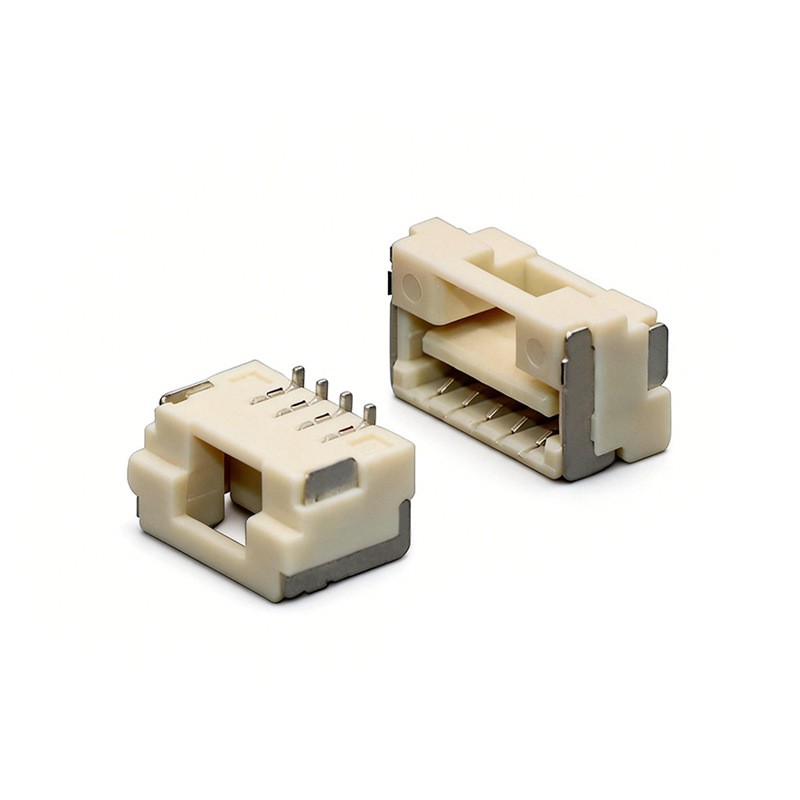
Hey there! I’m a supplier of wire-to-board connectors, and I’ve been keeping a close eye on the automotive IoT (Internet of Things) scene. It’s been a wild ride, and I’ve seen firsthand how this technology is shaking up the game for our connectors. So, let’s dive into what the impact of automotive IoT is on wire-to-board connectors. Wire-to-Board Connector
The Rise of Automotive IoT
First off, what’s automotive IoT all about? Well, it’s basically the integration of internet connectivity and smart technology into vehicles. We’re talking about cars that can communicate with each other, with infrastructure, and with the cloud. This includes features like real-time traffic updates, remote vehicle monitoring, and even self-driving capabilities.
The automotive industry has been moving towards IoT for a while now, and it’s not hard to see why. With IoT, cars can become more efficient, safer, and more user-friendly. For example, sensors in the vehicle can detect potential problems and send alerts to the driver or the manufacturer. This can help prevent breakdowns and reduce maintenance costs.
How Automotive IoT Affects Wire-to-Board Connectors
Increased Data Transfer Requirements
One of the biggest impacts of automotive IoT on wire-to-board connectors is the increased demand for data transfer. With all these sensors and devices in the vehicle, there’s a ton of data that needs to be transmitted quickly and reliably. Our connectors need to be able to handle high-speed data transfer rates to keep up with the demands of IoT.
For instance, in a modern car, there are sensors for everything from tire pressure to engine performance. These sensors generate a continuous stream of data that needs to be sent to the vehicle’s central computer. Our wire-to-board connectors need to ensure that this data is transferred without any loss or interference.
Higher Reliability and Durability
Automotive IoT also means that our connectors need to be more reliable and durable. Vehicles are exposed to all sorts of harsh conditions, including extreme temperatures, vibrations, and moisture. Our connectors need to be able to withstand these conditions and still maintain a stable connection.
In addition, with the increasing complexity of automotive systems, any failure in the connector can have serious consequences. For example, if a connector fails in a self-driving car, it could lead to a safety issue. So, we need to make sure that our connectors are built to last and can handle the rigors of the automotive environment.
Miniaturization
Another trend in automotive IoT is the need for miniaturization. As cars become more compact and more components are added, there’s less space available for connectors. Our wire-to-board connectors need to be smaller and more lightweight without sacrificing performance.
This is a challenge for us as suppliers, but it’s also an opportunity. We’re constantly working on developing new technologies and designs to make our connectors smaller and more efficient. For example, we’re using new materials and manufacturing processes to reduce the size of our connectors while still maintaining their electrical and mechanical properties.
Standardization and Compatibility
With the growth of automotive IoT, there’s also a need for standardization and compatibility. Different manufacturers and suppliers are developing their own IoT systems and components, and it’s important that our connectors can work with these different systems.
This means that we need to follow industry standards and ensure that our connectors are compatible with a wide range of devices and protocols. We also need to be able to provide customized solutions to meet the specific needs of our customers.
Challenges and Opportunities for Wire-to-Board Connector Suppliers
Challenges
As a wire-to-board connector supplier, we face several challenges in the automotive IoT market. One of the biggest challenges is keeping up with the rapid pace of technological change. The automotive industry is evolving at a breakneck speed, and we need to be able to develop new products and technologies to meet the changing needs of our customers.
Another challenge is the increasing competition in the market. There are many suppliers of wire-to-board connectors, and we need to differentiate ourselves by offering high-quality products, excellent customer service, and competitive prices.
Opportunities
Despite the challenges, there are also many opportunities for wire-to-board connector suppliers in the automotive IoT market. The growth of automotive IoT is creating a huge demand for our products, and we have the opportunity to expand our business and increase our market share.
In addition, the development of new technologies and applications in automotive IoT is opening up new possibilities for our connectors. For example, we can develop connectors for emerging technologies like 5G, which will enable faster and more reliable data transfer in vehicles.
How We’re Responding to the Impact of Automotive IoT
Research and Development
At our company, we’re investing heavily in research and development to stay ahead of the curve in the automotive IoT market. We have a team of engineers and researchers who are constantly working on developing new products and technologies to meet the changing needs of our customers.
For example, we’re working on developing connectors that can handle higher data transfer rates, are more reliable and durable, and are smaller and more lightweight. We’re also exploring new materials and manufacturing processes to improve the performance of our connectors.
Quality Control
We understand the importance of quality in the automotive industry, especially when it comes to safety-critical components like wire-to-board connectors. That’s why we have a strict quality control system in place to ensure that our products meet the highest standards of quality and reliability.
Our quality control system includes testing and inspection at every stage of the manufacturing process, from raw materials to finished products. We also use advanced testing equipment and techniques to ensure that our connectors can withstand the harsh conditions of the automotive environment.
Customer Service
We believe that excellent customer service is key to our success in the automotive IoT market. We work closely with our customers to understand their needs and provide them with customized solutions that meet their specific requirements.
Our customer service team is available 24/7 to answer any questions or concerns that our customers may have. We also offer technical support and training to help our customers install and use our connectors effectively.
Conclusion
The impact of automotive IoT on wire-to-board connectors is significant, and it’s changing the way we do business. As a supplier of wire-to-board connectors, we need to be able to adapt to these changes and provide our customers with high-quality products and services.
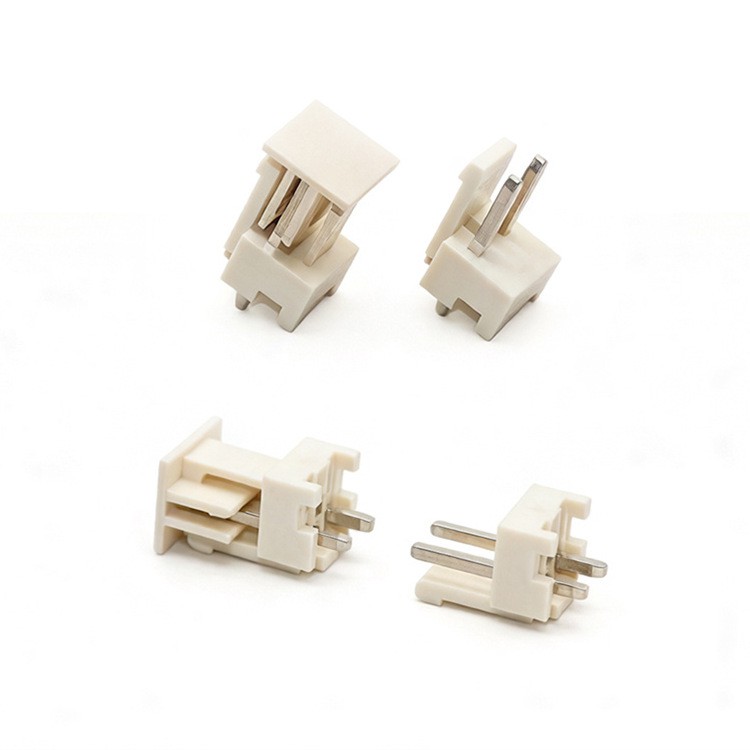
Header Connector We’re excited about the opportunities that the automotive IoT market presents, and we’re committed to working with our customers to develop innovative solutions that meet their needs. If you’re in the market for wire-to-board connectors for your automotive IoT applications, we’d love to hear from you. Let’s have a chat and see how we can help you take your automotive IoT systems to the next level.
References
- "Automotive IoT: Transforming the Future of Mobility," by Frost & Sullivan
- "The Impact of IoT on the Automotive Industry," by McKinsey & Company
- "Wire-to-Board Connectors: Trends and Technologies," by IHS Markit
Wenzhou JKUN Connector Co., Ltd.
As one of the most professional wire-to-board connector manufacturers and suppliers in China, we’re featured by quality products and low price. Please rest assured to wholesale bulk customized wire-to-board connector from our factory. For quotation and free sample, contact us now.
Address: No.2667, Ningkang East Road, Yueqing City, Zhejiang Province, China
E-mail: sales@cnjkun.com
WebSite: https://www.jkunjcj.com/
