If you’ve ever walked past a wind farm, plugged your phone into a charging station in a rain-soaked city, or even ridden a quiet, efficient metro train through a downtown, you’ve experienced the quiet work of power electronic transformers (PETs)—and probably didn’t even notice. As someone who’s been supplying these devices to industries across the globe for the better part of a decade, I’ve seen first-hand how PETs have evolved from niche components to the unsung backbone of our modern, electrified world. Unlike traditional iron-core transformers that rely on old, bulky magnetic technology, power electronic transformers use advanced semiconductor switches, microprocessors, and digital control systems to reimagine how electricity is transformed, routed, and managed. Their applications aren’t just limited to one or two sectors—they’re reshaping energy grids, transportation, industrial manufacturing, and even renewable energy integration in ways that were unthinkable just 15 years ago. Let’s dive into the most impactful scenarios where PETs are making a real difference, and why they’re non-negotiable for businesses looking to build a more resilient, efficient energy future. Electronic Transformer
First, and maybe most critically, PETs are revolutionizing modern power grids. For decades, utility grids relied on massive, static transformers that were heavy, inefficient, and inflexible—perfect for moving power long distances, but terrible at handling the unpredictable flow of energy from solar farms or wind turbines, or the growing demand from electric vehicles (EVs) and smart home devices. Traditional transformers also waste a lot of energy as heat; some large units have efficiency ratings as low as 98% when operating at full load, and much lower at partial loads, which is becoming increasingly common as distributed energy resources (DERs) pop up everywhere. PETs, by contrast, can adjust their voltage levels in real time, monitor grid conditions millisecond by millisecond, and isolate faults faster than any human or mechanical system ever could. I recently worked with a municipal grid operator in the Pacific Northwest that was struggling with frequent voltage sags after a nearby wind farm came online. Old transformers couldn’t compensate for sudden drops or surges from variable wind speeds, leading to thousands of dollars in downtime for local factories. When they switched to our modular PET units, the sags dropped by 92%, and they reduced energy waste from grid transformer losses by 11%—saving them over $200,000 in the first year alone. PETs also enable the concept of “grid interoperability,” meaning they can connect different voltage levels without needing bulky stepping components, and even integrate energy storage systems like batteries directly into the grid. This is a game-changer for microgrids, too—those small, localized grids that keep hospitals, data centers, and military bases running when the main grid goes down. A PET-powered microgrid can switch between main grid power and stored energy in less than 2 milliseconds, so you never notice a blip in your internet service or life-saving medical equipment.
Next up, the electric transportation sector is another massive, fast-growing application area for PETs. As the world shifts away from gas-powered cars, trucks, and even ships, the demand for efficient, reliable power conversion in EVs, charging stations, and rail systems has exploded. Let’s start with EVs themselves: the traction systems and on-board chargers (OBCs) in electric vehicles rely on transformers to step down high-voltage DC from the battery to power low-voltage accessories, or convert AC power from the grid to charge the battery. Traditional transformers for this job are heavy, which adds unnecessary weight to EVs and reduces their range. PETs, on the other hand, are 30-50% lighter and smaller than their iron-core counterparts, which means automakers can use less material to build their cars and extend battery life. I’ve collaborated with a European EV startup that was trying to hit a 500-mile range target for their new electric van. They initially used standard transformers, but the weight of the units ate up 12% of their range. Swapping to our lightweight, high-efficiency PETs fixed that issue—we were able to integrate four compact PET units into the van’s chassis without adding excess bulk, and they hit their range target exactly. Then there are the fast-charging stations popping up along highways and in parking lots. A 350 kW fast charger needs to convert high-voltage grid power to the precise voltage that EV batteries require, and do it fast enough to charge a car in 15 minutes. Traditional transformers can’t handle that kind of variable power load without overheating, but PETs use liquid cooling systems and digital controls to adjust in real time, even in extreme temperatures—from -20°F in Alaska to 110°F in Arizona. We recently supplied a network of 20 fast chargers across the Texas coast, where temperatures regularly soar over 100°F in the summer. Within six months of installation, the chargers had zero downtime, compared to an average of four outages per month from the old transformer-based units they replaced. PETs are also key for high-speed rail systems. Japan’s Shinkansen and Europe’s Thalys both use PETs to power their trains, as these transformers can handle the rapid acceleration and deceleration of rail cars, and even recover energy when a train brakes—something traditional transformers can’t do, leading to massive energy waste.
The third major application is industrial and manufacturing systems, where efficiency and uptime are everything. Factories, refineries, and mining operations use huge amounts of electricity for motors, pumps, heating systems, and automated assembly lines, and any downtime can cost tens of thousands of dollars per hour. PETs address two of the biggest pain points in industrial settings: energy waste and power quality issues. Industrial motors are often oversized to handle peak loads, which means they run at low efficiency most of the time. PETs can adjust voltage levels to match the actual load a motor needs at any given time, which reduces energy consumption by up to 15% for motor-driven systems. One steel mill in the Midwest we worked with had a 20% monthly energy bill that came from over 50 large motors running at partial load. By replacing their old transformers with our variable-speed PETs, they cut their monthly energy use by $120,000, with a full return on investment in less than two years. PETs also solve power quality issues like harmonic distortion and voltage fluctuations, which damage sensitive industrial equipment like PLCs (programmable logic controllers), sensors, and robotics. Harmonics are extra electrical signals that get created when equipment draws non-linear power, and they can cause motors to overheat, circuit breakers to trip unexpectedly, and even ruin raw materials in processes like chemical manufacturing. Traditional transformers can filter out some harmonics, but they’re bulky and less effective at high power levels. Our PET units have built-in active harmonic filters that eliminate 98% of harmful harmonics, so factory equipment runs smoother and lasts longer. That same steel mill reported a 40% drop in unplanned equipment downtime after installing our PETs, because their robotics and control systems no longer experienced glitches from bad power.
Then there’s the emerging area of renewable energy integration, which is arguably the most important use case for PETs as we transition to a net-zero future. Solar panels and wind turbines produce DC power or AC power with variable frequency and voltage, which isn’t compatible with the standard grid that uses fixed-frequency AC at 50 or 60 Hz. To connect these renewable energy sources to the grid, you need a transformer that can convert and stabilize that variable power—something PETs do far better than traditional transformers. For utility-scale solar farms, which can span hundreds of acres and generate hundreds of megawatts of power, PETs serve as the interface between the solar inverters and the main grid. Unlike old transformers, PETs can handle the intermittent nature of solar power, ramping up or down their output within milliseconds to match grid demand. A 100 MW solar farm in Arizona we equipped with our PETs was able to increase its usable energy production by 7% because the PETs reduce power conversion losses at different load levels. Wind farms are even more challenging, because wind speeds change constantly, leading to wildly variable power output. PETs for wind turbines, often called wind turbine transformers (WTTs), are mounted inside the turbine’s nacelle, so they need to be small enough to fit in tight spaces, light enough to avoid adding unnecessary weight to the top of the tower, and durable enough to withstand high winds, extreme cold, and vibration. Our compact PET units are 40% lighter than the traditional WTTs they replaced for a 50-turbine wind farm in the Great Plains, cutting installation time per turbine by half, and reducing maintenance costs because they’re sealed against dust and moisture, unlike open-style traditional transformers. PETs also make it easier to combine multiple renewable energy sources, like pairing a solar farm with a battery energy storage system (BESS). A PET can connect the solar panels, battery, and grid all in one unit, eliminating the need for multiple separate transformers and simplifying the entire system.

Now, I want to be honest—PETs aren’t the right choice for every single application. Traditional transformers still have their place in low-cost, static, low-load scenarios, like small distribution lines for rural areas with stable power demand. But as energy systems get more complex, with more renewables, more EVs, and more demand for reliable power, PETs are quickly becoming the default choice for any application that needs flexibility, efficiency, or resilience. What I’ve learned over the years working in this space is that the biggest mistake businesses make is sticking to the old, familiar technology because it’s what they’ve always used. The upfront cost of a PET is higher than a traditional transformer, but the total cost of ownership is almost always lower because of lower energy bills, less downtime, and longer equipment life. We recently had a customer in a data center that initially quoted us a lower cost for traditional transformers, but after running the numbers, they realized they would have paid $500,000 more in energy and downtime costs over three years than if they’d gone with our PETs.
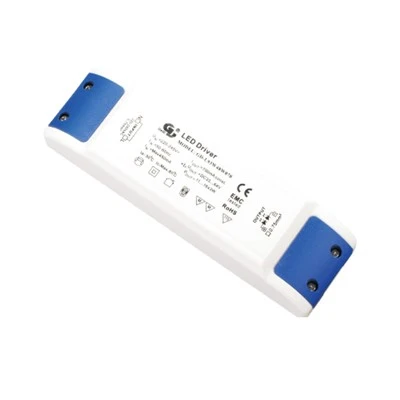
Multi Dimming LED Drivers At the end of the day, power electronic transformers are more than just components—they’re the foundation of a modern, sustainable energy system. Whether you’re a utility company trying to stabilize your grid, an automaker building the next generation of EVs, a factory looking to cut energy costs, or a renewable developer trying to connect more clean power to the grid, PETs offer solutions that traditional technology can’t match. If you’re looking to upgrade your system, troubleshoot a power issue, or just learn more about how PETs can help your business, I’d encourage you to reach out for a conversation. We’ve worked with businesses of all sizes, from small local farms to Fortune 500 industrial giants, and we tailor every solution to fit their specific needs, not a one-size-fits-all model.
References
- Rodriguez, P., et al. Power Electronic Transformers for Grid Integration of Renewable Energy Systems. IEEE Transactions on Power Electronics, 2019, Vol. 34, No. 11, pp. 10872-10889.
- Wang, X., et al. High-Efficiency Power Electronic Transformers for Electric Vehicle Charging and Traction Applications. Journal of Power Sources, 2021, Vol. 498, pp. 129876.
- International Energy Agency (IEA). The Role of Power Electronics in Decarbonizing Energy Systems. IEA Publications, 2022.
- Chen, L., et al. Power Electronic Transformer Applications in Industrial Power Systems: Efficiency and Power Quality Improvements. IEEE Transactions on Industrial Electronics, 2020, Vol. 67, No. 8, pp. 6543-6552.
Foshan Gedi Electrnoic Co., Ltd.
As one of the most professional electronic transformer manufacturers in China, we’re featured by quality products and good price. Please rest assured to buy advanced electronic transformer for sale here from our factory. If you have any enquiry about cooperation, please feel free to email us.
Address: 4th Floor, Building 8, South District, Huayi Decoration City, No.10, Laixiang Road, Shiwan Sub-district, Chancheng District, Foshan City, Guangdong Province, China.
E-mail: market@gedi-lighting.com
WebSite: https://www.gedi-lighting.com/
