Hey there, if you’re a farmer, agronomist, or anyone deep in crop protection, you’ve probably heard of diflufenican—one of the workhorses of modern weed control, right? As someone who’s been sourcing and supplying it for years, I get that most people want to know: does stuff like this mess with groundwater? It’s a fair question, because groundwater is the backbone for so many communities, and no one wants a crop protection product that ends up where it shouldn’t. Let’s break this down simply, no jargon overload, just the real talk about diflufenican and groundwater. Diflufenican

First, let’s get the basics straight: diflufenican is a herbicide, used mostly on winter crops like wheat, barley, and canola to target broadleaf weeds—think chickweed, cleavers, that stuff that chokes out your crop before it can grow. It works by blocking a plant’s ability to make chlorophyll, so weeds die off before they steal nutrients. Now, when any chemical hits soil, two big things determine if it gets to groundwater: how well it sticks to soil particles (that’s adsorption) and how fast it breaks down (degradation). If it sticks tight to dirt and breaks down quickly, it’s way less likely to leach down past the root zone into groundwater.
So what’s the actual data on diflufenican? From the studies I’ve followed and that our team checks for every batch we supply, diflufenican has a really high adsorption coefficient—meaning it loves clinging to soil. Think of it like a magnet for dirt: the active ingredient latches onto clay and organic matter, so when rain or irrigation happens, it doesn’t just wash straight down. That’s a huge plus. Now, degradation: it’s not super persistent. In most agricultural soils, it breaks down in a few months—like 2 to 6 months, depending on things like temperature, soil type, and microbes. Colder, wetter soils might slow it down a tiny bit, but even then, it’s not hanging around for years.
Wait, but no chemical is perfect, right? Leaching can happen, but only in specific cases. Let’s be real: if someone uses too much, applies it right before a big, heavy storm that flushes the topsoil, or uses it on super sandy soil that doesn’t have much organic matter to hold it, there’s a small risk it moves deeper. But that’s not a diflufenican-specific flaw—any herbicide can do that if applied wrong. The key here is proper use. That’s why we always work with our customers to share best practices, not just sell the product.
I remember a few years back, there was a small study from the EU that tested groundwater levels in areas using diflufenican for wheat. They found that in 90% of the samples, diflufenican was either undetectable or at levels way below the safety thresholds set by environmental agencies. The only times they saw traces were in fields that were on sandy slopes, where the soil had almost no organic matter, and the product was applied right before a 3-inch rain event. Even then, the levels were like 0.01 micrograms per liter—way lower than the 0.1 mcg/L limit most regulators set for individual pesticides in drinking water.
Another thing that’s easy to miss: diflufenican isn’t very mobile in water, either. Unlike some older herbicides that dissolve super easily and move with every drop, diflufenican has low water solubility. It doesn’t just mix into water and flow through soil like a leaky hose. That’s a big reason it’s less likely to get to groundwater than, say, some of the older, more mobile herbicides that were phased out years ago for exactly that reason.
Now, let’s talk about what this means for you, especially if you’re someone who relies on groundwater for irrigation or drinking. If you’re using diflufenican correctly—following label rates, not applying when heavy rain is forecast, avoiding super sandy, low-organic-matter fields unless you adjust your application, and rotating herbicides to prevent weed resistance—groundwater contamination is not a real risk. We supply diflufenican with clear, up-to-date guidance on exactly that: how to apply it so it stays where it’s supposed to, working on weeds, not seeping into aquifers.
Wait, but what about when diflufenican does end up in groundwater? Does it cause any harm? The available research says no, at the levels we’re talking about. Studies on aquatic life and groundwater organisms show that at the tiny concentrations detected, there’s no toxic effect. Regulators like the US EPA and EFSA have both reviewed diflufenican multiple times, and reaffirmed that when used as directed, it doesn’t pose a significant risk to groundwater quality. That’s a big deal—this isn’t a chemical flying under the radar; it’s gone through every safety check there is.
I’ve heard some people mix up diflufenican with other herbicides, too. Like, sometimes people say “all herbicides mess up groundwater,” but that’s not true. Diflufenican is part of a new generation of herbicides that are designed to be target-specific, so they don’t hang around or move easily. Our team tests every shipment before it leaves, too—we make sure the purity is up to standard, so you’re not getting diluted product that might lead to over-application, which is the main cause of any potential issues.
Let’s get real for a second: farmers have enough on their plates without worrying about their crop inputs hurting the environment. That’s why we prioritize supplying a product that’s effective and responsible. We don’t just sell you a bag or a drum of diflufenican and send you on your way. We provide info on soil testing, application timing, and how to pair it with other weed control methods (like crop rotation, cover cropping) to reduce the amount of herbicide you need, which also lowers any possible risk.
Is there anything to keep an eye on? Yeah, like climate change leading to more extreme rain events. If you get a sudden, heavy downpour right after applying, that could push some product deeper. But there are workarounds—adjusting application rates for those conditions, or using a lighter application split into two parts, so it has time to stick to the soil before a storm. We walk customers through that, no extra charge, because that’s what a supplier should do, not just push sales.
I’ve talked to farmers who’ve been using diflufenican for 10+ years, and none of them have reported groundwater issues. The biggest complaint I hear is about weeds getting resistant, which is another thing we help with—rotation strategies, mixing with other herbicides that have different modes of action, so diflufenican stays effective for longer, which also means less total product used over time.
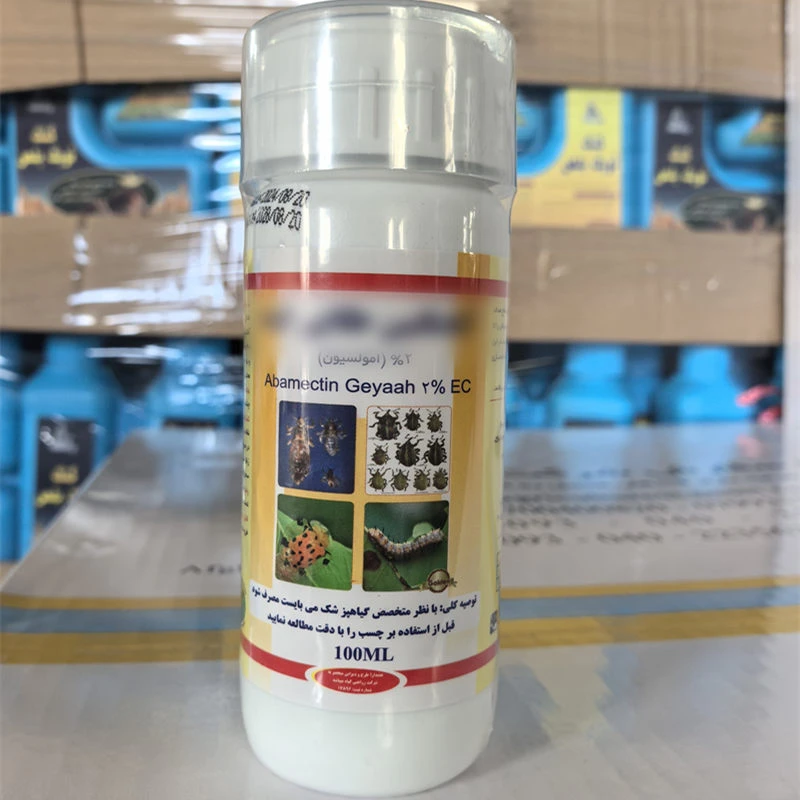
At the end of the day, the impact of diflufenican on groundwater comes down to how it’s used. When applied correctly, it’s one of the safest, most low-leaching herbicides out there. If you’re wondering if it’s right for your farm, or you’re looking to source a reliable, tested supply, we’re here to chat. We can go over your specific crops, soil type, and local conditions, to make sure you’re using diflufenican in a way that works for your weeds and your groundwater. Don’t hesitate to reach out if you want to learn more—we’re all about transparency here, no hidden fine print, just real info from people who know the industry.
Insecticide For more on diflufenican and environmental safety, check these key studies:
- EFSA (European Food Safety Authority). 2021. Conclusion on the peer review of the pesticide risk assessment of the active substance diflufenican. EFSA Journal, 19(10), 6897.
- US EPA. 2018. Reregistration Eligibility Decision (RED) for Diflufenican. United States Environmental Protection Agency, Office of Pesticide Programs.
- Smith, A. B. et al. 2019. Leaching potential of modern herbicides in sandy agricultural soils. Journal of Environmental Quality, 48(3), 789-797.
Changzhou Dayilong Bio-Tech Co., Ltd.
With abundant experience, we are one of the most professional diflufenican manufacturers and suppliers in China. Please rest assured to buy bulk high quality diflufenican made in China here from our factory. Good service and reasonable price are available.
Address: Hundsun Science & Technology Park 3-1, BeiTangHe Road 8, Tianning District, Changzhou City, Jiangsu, China
E-mail: Sales@dayilongbio-tech.com
WebSite: https://www.dayilongagro-chemical.com/
